New National Forest Plan Raises Questions Over Threats to Frimley Fuel Allotments
The government’s decision to open an Expression of Interest for delivery partners for a new national forest in the Oxford–Cambridge Corridor has reignited debate over how England’s remaining green spaces are valued — and why some are being expanded while others face permanent loss.
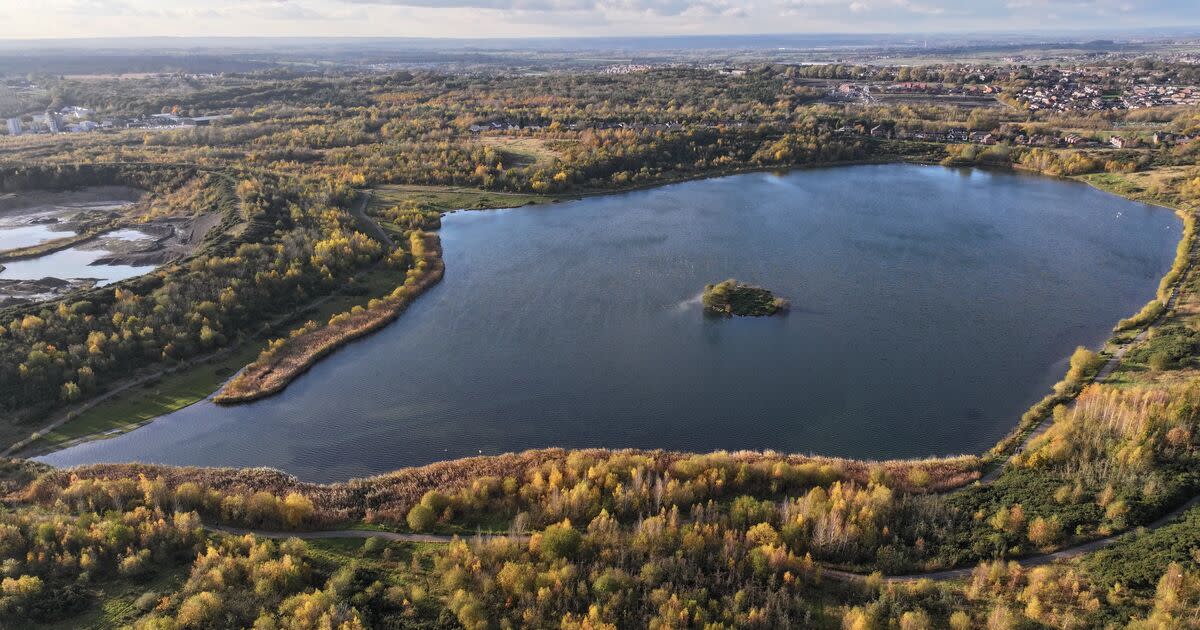
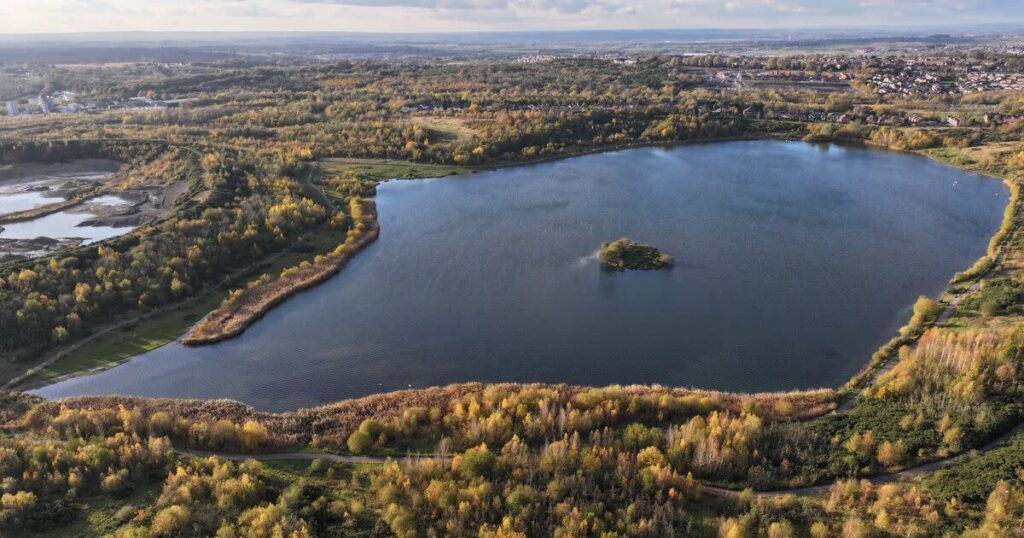
The announcement, shared by The National Forest, confirms that Department for Environment, Food & Rural Affairs (Defra) is seeking long-term partners to help create a large-scale forest designed to restore nature, reconnect communities and support sustainable economic renewal.
Yet for residents in Surrey Heath, the news has sharpened concerns about the future of Frimley Fuel Allotments, a historic and ecologically rich green space currently under consideration for development.
Two approaches to land use
The proposed national forest is intended as a proactive intervention — embedding green infrastructure into a region expected to experience significant growth pressure. Forests, Defra and The National Forest argue, should not be treated as an afterthought but as critical national assets that deliver long-term environmental, social and economic benefits.
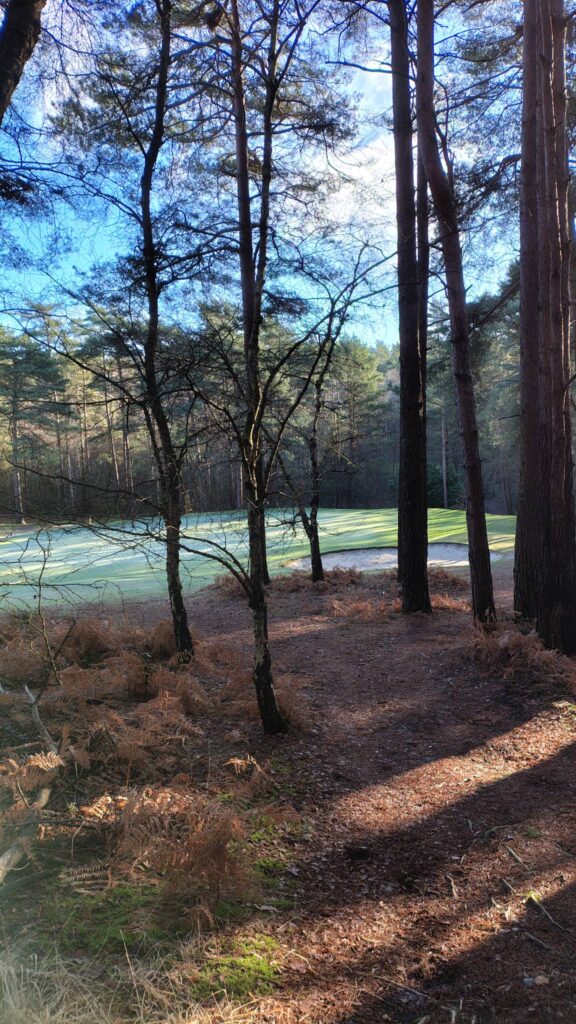
By contrast, Frimley Fuel Allotments — the last publicly accessible remnant of historic Frimley Common — faces potential sale for development, despite being mature, well-used, and already delivering many of the same benefits the new forest is designed to create.
For local residents, the juxtaposition is difficult to ignore.
Established nature versus future ambition
Supporters of the national forest initiative highlight the importance of restoring landscapes over decades. Trees planted today, they acknowledge, will take generations to mature. That reality has prompted questions locally about why an existing, established woodland and heathland — complete with protected species, Tree Preservation Orders and long-standing community use — could be considered expendable.
Environmental groups have long argued that newly created green spaces cannot replace the ecological complexity of mature habitats. While new forests are essential, they are not substitutes for the loss of historic landscapes.
A test of consistency
The government’s messaging around the national forest stresses stewardship, long-term thinking and intergenerational responsibility. These principles, campaigners argue, are equally applicable to Frimley Fuel Allotments.
The land was enclosed nearly 200 years ago for public benefit and has been held in trust ever since. Its loss would be permanent. In that context, the push to create new forests elsewhere raises a broader policy question: should existing green assets not be protected as rigorously as new ones are promoted?
Planning, pressure and precedent
The Oxford–Cambridge Corridor has been identified as a growth zone, but Surrey Heath is no stranger to development pressure. Residents point out that decisions taken locally will set precedents for how other historic green spaces are treated when infrastructure needs collide with environmental protection.
The contrast between national investment in forest creation and local proposals that could see Frimley Fuel Allotments lost has intensified calls for transparency and consistency in land-use policy.
A moment for reflection
The Expression of Interest for the new national forest closes on 30 January 2026. As delivery partners are selected and plans progress, the initiative is likely to be held up as an example of positive, forward-thinking environmental policy.
For communities around Frimley Fuel Allotments, the question is whether that same philosophy will be applied closer to home — or whether irreplaceable green spaces will continue to be viewed primarily through the lens of development opportunity.
At a time when government is championing forests as engines of wellbeing and resilience, the fate of Frimley Fuel Allotments may prove a telling test of how deeply those principles run.


Leave a Reply