
Not Inevitable: The UK Woodland Campaigns That Faced Development and Won Permanent Protection
Communities facing the potential loss of woodland are often told the same thing: the decision has already been made, the need is too great, and opposition can only slow the inevitable.
UK planning history tells a different story.
Over the past three decades, multiple woodland and green space sites threatened by housing, infrastructure or institutional development have been saved through public scrutiny, legal process and enforcement of charity and environmental law. In many cases, those sites emerged from the dispute more securely protected than before.
Oxleas Wood, London: Motorway Cancelled, Woodland Saved
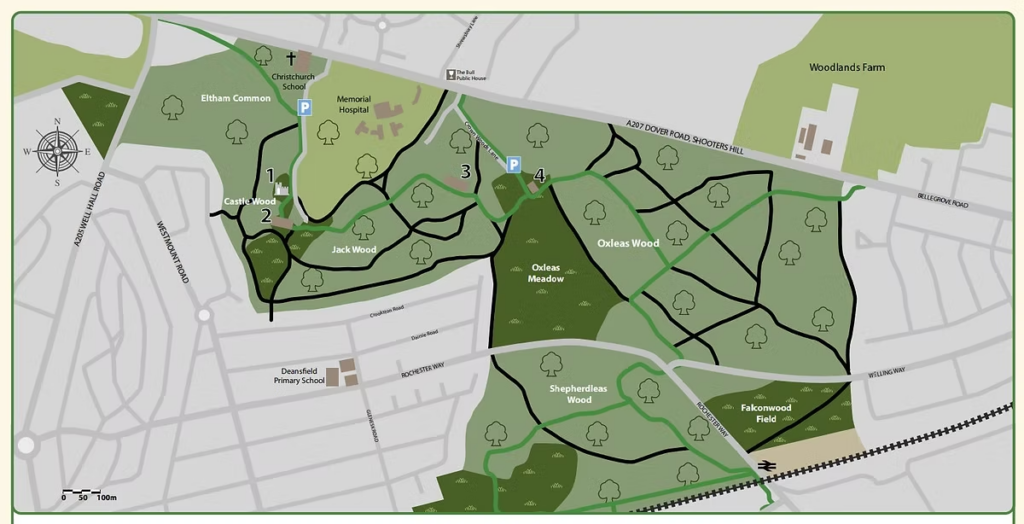
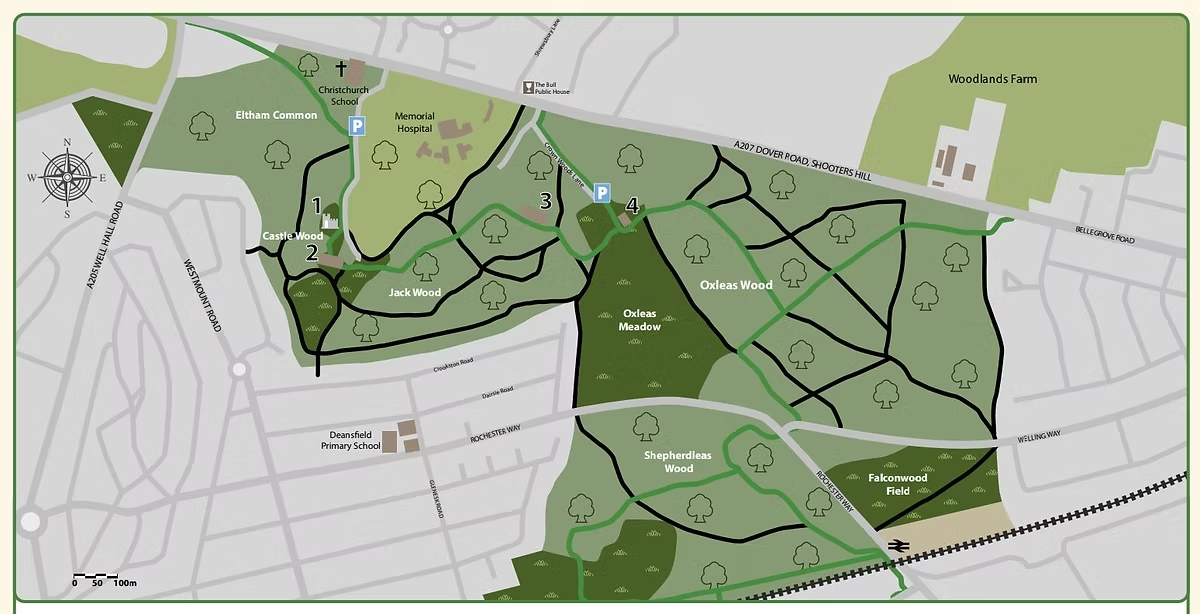
Oxleas Wood in southeast London is one of the clearest examples of a campaign succeeding against major national infrastructure.
In the 1990s, the government proposed routing the A2 Thames Gateway road through Oxleas Wood, an ancient woodland and Site of Special Scientific Interest. At the time, the scheme was framed as essential for economic regeneration.
Local residents, environmental groups and borough councils challenged the proposal through public inquiry. Evidence focused on the irreplaceability of ancient woodland, flaws in the environmental assessment and viable alternative routes.
In 1999, the government cancelled the road scheme. Oxleas Wood remains intact and protected. The case is now routinely cited as a landmark moment in UK environmental planning, establishing that ancient woodland loss requires exceptional justification.
Smithy Wood, South Yorkshire: From Service Station Proposal to Protected Woodland
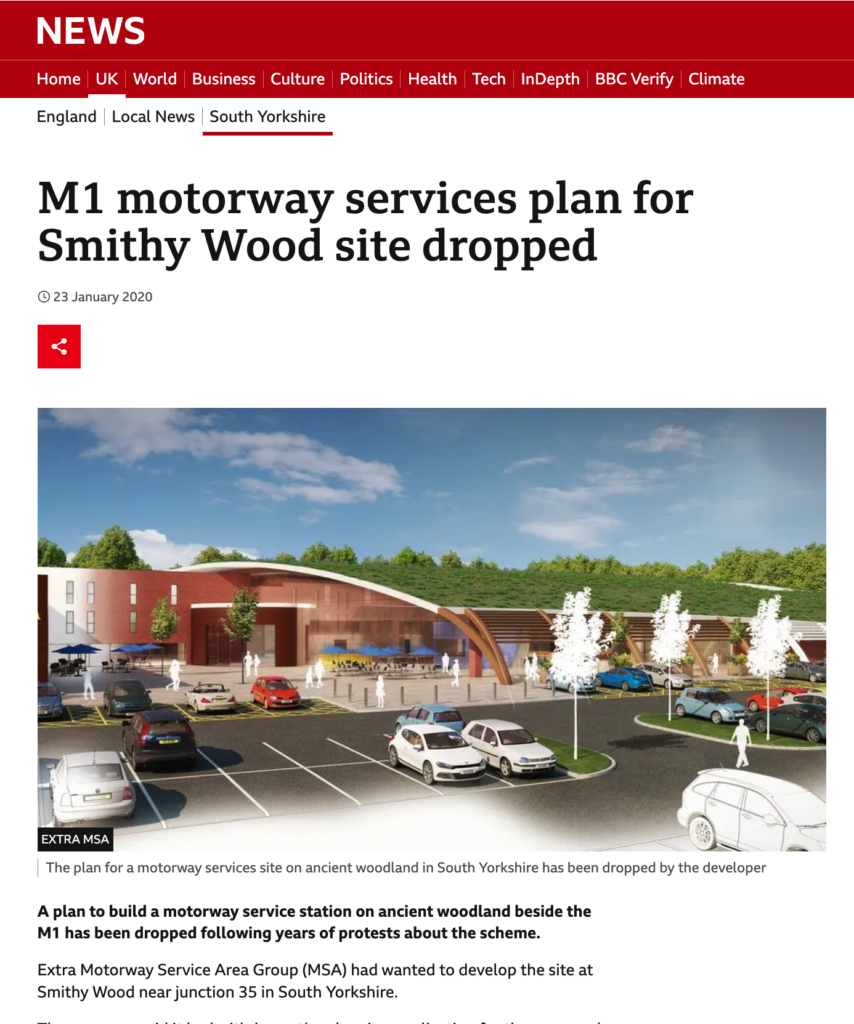
Smithy Wood near Sheffield was threatened by a large motorway service area proposed alongside the M1. The woodland included ancient woodland fragments and habitats protected under local planning policy.
A sustained local campaign challenged the environmental case, traffic assumptions and planning process. In 2020, following public inquiry, the proposal was refused. Subsequent planning policy changes and land management arrangements have strengthened protections for the site.
Smithy Wood is now formally recognised as an area of high ecological value, with development effectively ruled out.
Langley Vale Wood, Surrey: Development Threat Leads to Permanent Woodland Creation
Langley Vale Wood, near Epsom, faced development pressure linked to nearby housing growth. Rather than losing woodland, local campaigning combined with planning obligations resulted in a reversal of outcome.
The land was acquired by the Woodland Trust and local partners and transformed into a permanently protected community woodland, secured through legal covenant. Today it is one of the largest new native woodlands in the South East, explicitly protected from development.
This case demonstrates how development pressure can, when challenged, result in stronger environmental outcomes than originally proposed.
Wanstead Flats, London: From Infrastructure Corridor to Indefinite Protection
Wanstead Flats was repeatedly targeted for development throughout the 20th century, including road schemes and municipal building proposals.
Legal challenges, public protest and local authority support led to the land being designated as Metropolitan Open Land and placed under the management of the City of London Corporation. These protections effectively prohibit development.
Once considered expendable open land, Wanstead Flats is now protected indefinitely and forms part of London’s strategic green infrastructure.
Charity Land and the Role of the Charity Commission
Several cases across England have involved land held by charitable trusts where trustees proposed sale or development to unlock value.
Charity law does not require trustees to maximise financial return. It requires them to act in accordance with charitable purpose and public benefit.
The Charity Commission has intervened where:
• trustee decision-making lacked transparency
• beneficiaries were not properly considered
• land disposal conflicted with founding objectives
In multiple cases, proposed sales were paused or abandoned following Commission engagement or legal advice. Some charities subsequently placed land under conservation covenants or revised trust deeds to strengthen protection.
These cases are rarely high-profile but are well established in charity governance practice.
What These Cases Have in Common
Across all these examples, several consistent patterns emerge:
• Claims of “no alternative” were challenged and disproven
• Environmental value was elevated through evidence, not emotion
• Legal duties under planning and charity law were decisive
• Once protected, sites were rarely re-threatened
Importantly, none of these campaigns opposed public need outright. Roads were still built, housing still delivered, healthcare still expanded. What changed was where and how.
A Record That Matters Today
UK planning history shows that woodland loss is not inevitable simply because development is proposed. Where communities insist on transparency, test alternatives and hold decision-makers to account under existing law, outcomes can and do change.
In many cases, woodland survives not because it was untouchable, but because people refused to accept that destruction was the only option.
The precedent is clear: fighting for woodland protection is not symbolic. It has worked before, and it can work again.


Leave a Reply