Why the Fingleton Review Matters for Frimley Fuel Allotments
Concerns about the future of Frimley Fuel Allotments have taken on renewed urgency following the publication of the government-commissioned Fingleton Review and recent allegations that land held in trust at FFA could be considered for development.
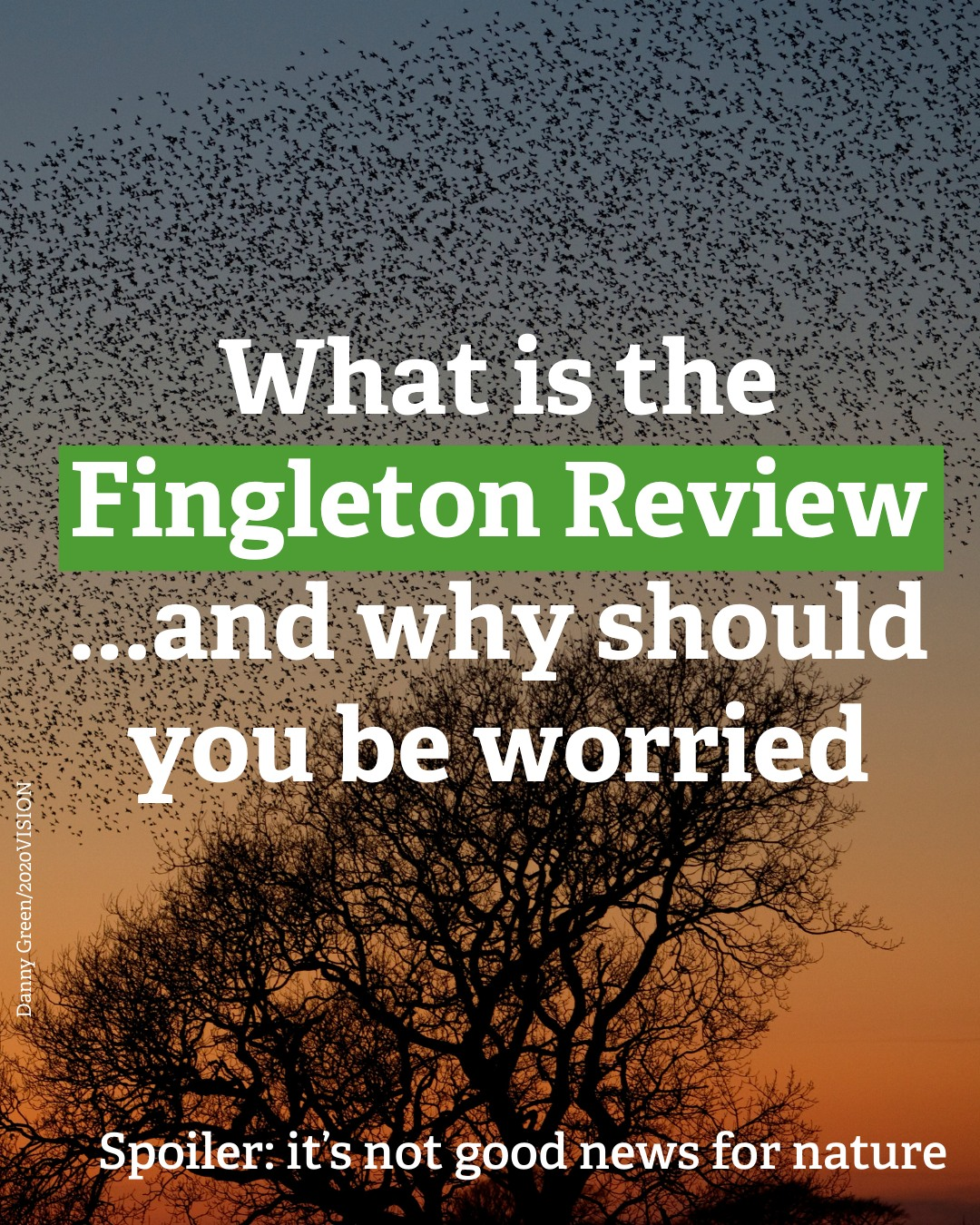
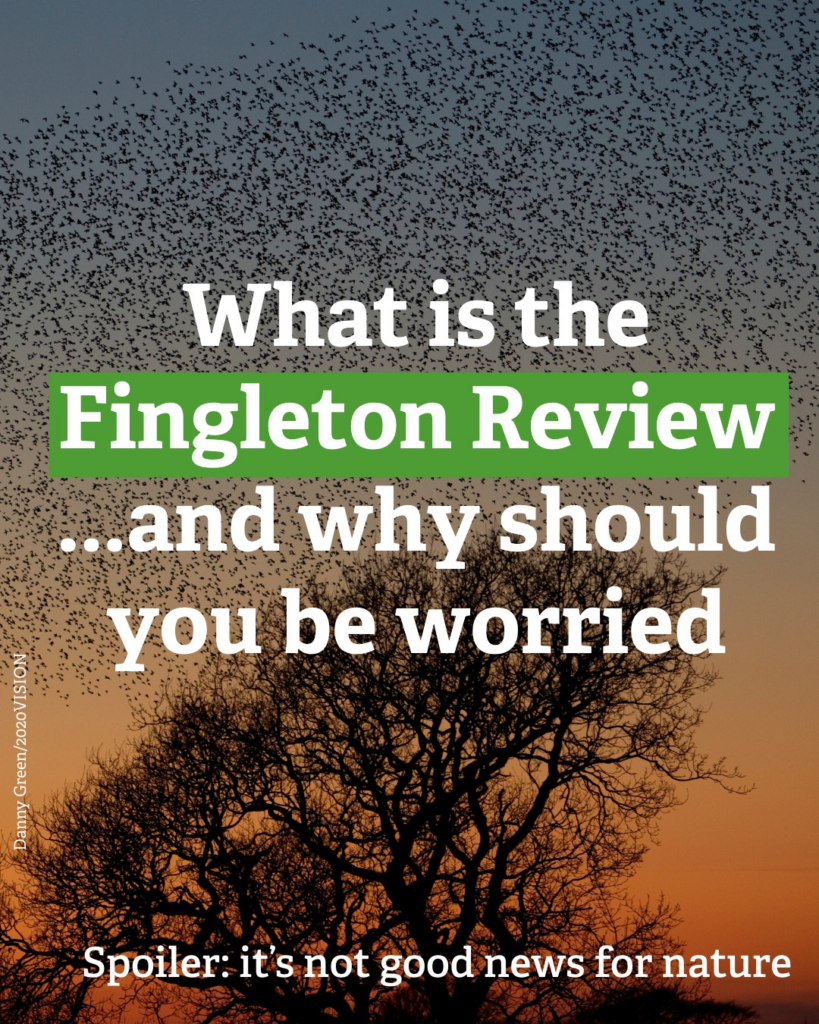
The review, which examines whether environmental protections place excessive costs on developers, has alarmed conservation groups nationwide. They warn that its recommendations could weaken safeguards that currently protect green spaces — including locally significant sites such as Frimley Fuel Allotments.
The Wildlife Trusts has been among the most vocal critics, arguing that UK wildlife is already in serious decline due to habitat loss, climate change and development pressure. The charity has rejected claims that environmental protections are an economic burden, instead pointing to evidence that safeguarding nature supports long-term resilience, healthier communities and economic stability.
These national concerns resonate sharply at a local level.
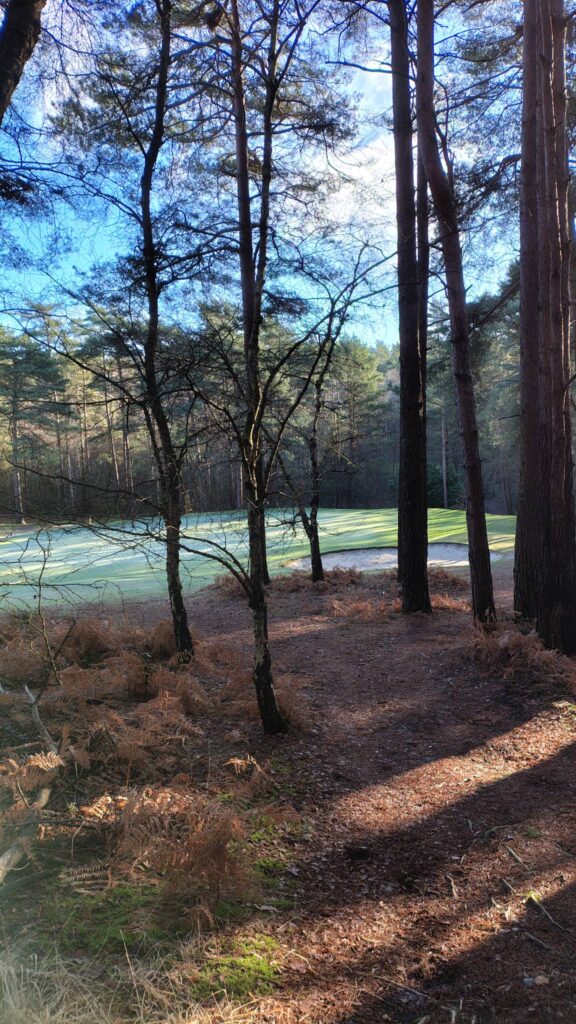
Frimley Fuel Allotments has historic origins as common land and today comprises woodland and green space forming part of Pine Ridge Golf Course, used by wildlife and the local community. In recent weeks, speculation and alleged proposals relating to the potential use of FFA land in connection with the Frimley Park Hospital rebuild have raised fears that protections previously assumed to be robust may now be vulnerable.
Campaigners argue that the logic underpinning the Fingleton Review — that environmental protections should be relaxed to facilitate development — risks normalising the idea that green spaces can be treated as negotiable assets rather than irreplaceable public goods. They warn that if such thinking gains traction nationally, sites like FFA could face increasing pressure, regardless of their history, ecological value or community importance.
Crucially, the recommendations of the Fingleton Review are not yet government policy. However, environmental groups note that the Chancellor has asked the department led by Ed Miliband to explore how the proposals might be taken forward. That instruction has heightened concern among those seeking to protect remaining green spaces.
For residents around Frimley, Deepcut and Heatherside, the debate is no longer abstract. The alleged proposals affecting Frimley Fuel Allotments have become a tangible example of how national policy shifts could translate into local consequences. Campaigners argue that once land held in trust for the community is lost, it cannot be replaced elsewhere.
Environmental groups and local residents are now urging transparency, public scrutiny and engagement, stressing that there is still time to influence outcomes. They argue that decisions about sites like Frimley Fuel Allotments should not be made quietly or framed solely in terms of short-term development pressures.
As national discussions continue about housing, infrastructure and economic growth, Frimley Fuel Allotments has become a local test case of a wider question: whether the UK is prepared to defend its remaining green spaces — or whether they will be steadily eroded in the name of expediency.




Leave a Reply