Frimley NHS Responds to Residents And Fails to Address Core Concerns Over ‘Engagement’ Process
Frimley Health NHS Foundation Trust has begun responding to residents who formally objected to its proposed “engagement plan” for the new Frimley Park Hospital. But the replies, now being issued widely, are raising further concerns rather than resolving them.
Residents who submitted detailed objections highlighting the lack of a formal public consultation, limited transparency, and the exclusion of key issues such as traffic and environmental impact have received near-identical responses. The replies thank individuals for their feedback and describe the document as a “framework” for future involvement, but stop short of addressing the substance of the concerns raised.
At the heart of the issue is a critical point: the Trust has already determined that the project does not require a full statutory public consultation. That position remains unchanged.
Instead, the Trust reiterates that what is planned is a future “formal engagement phase,” expected to take place in Summer 2026. While this may sound reassuring, it is not the same as a legally defined consultation process. Engagement allows residents to share views, but it does not require decision-makers to act on them.
For many in the community, this distinction is becoming increasingly significant.
The response also confirms that the current document is only the beginning of a longer process. However, this framing has done little to reassure those who feel that key decisions may already be progressing behind the scenes while meaningful public influence is deferred to a later stage.
Residents have also expressed concern about the timing. With formal engagement not expected until Summer 2026, there is a growing fear that options may be narrowed, momentum established, and positions hardened before the public is invited to contribute in a meaningful way.
Equally notable is what the response does not say.
There is no commitment to reconsider the decision not to hold a full consultation. There is no indication that previously withheld information will be released. There is no acknowledgement that traffic, infrastructure, and environmental concerns (particularly those relating to Frimley Fuel Allotments) should be central to the discussion rather than treated as secondary considerations.
Instead, the response focuses on future opportunities to “have your say” through events, activities, and communications channels.
For many residents, this language feels increasingly familiar and increasingly insufficient.
The concern is not that engagement is happening. It is that engagement is being tightly controlled, carefully staged, and positioned in a way that limits its ability to influence outcomes.
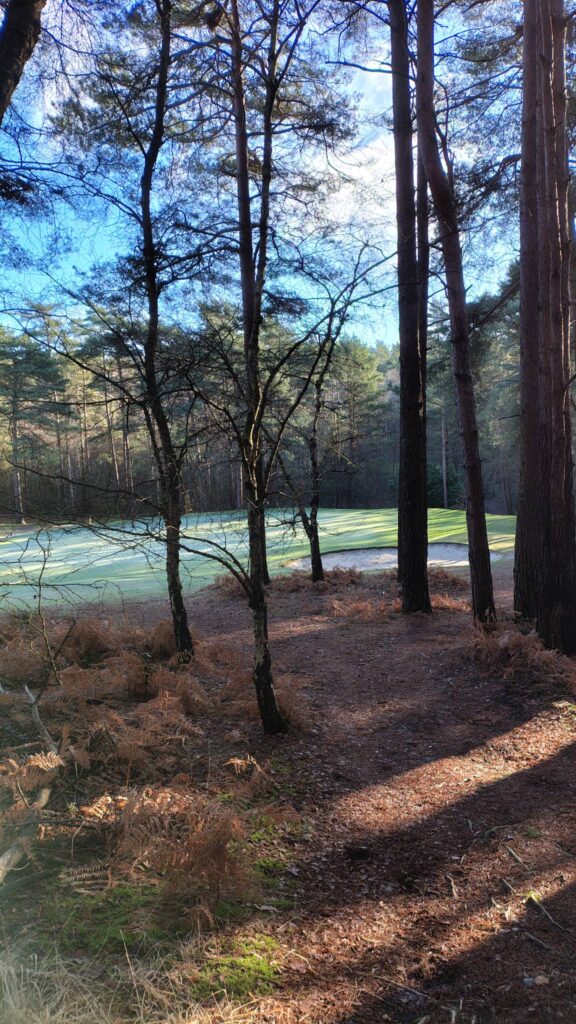
Meanwhile, public concern continues to grow. A petition to protect Frimley Fuel Allotments has already gathered more than 8,400 signatures, reflecting widespread unease about the potential loss of woodland, wildlife habitat, and valued community space.
Campaigners are clear that this is not opposition to a new hospital. It is opposition to the process and to the potential siting of that hospital on land that many consider irreplaceable.
The Trust’s response closes by stating it looks forward to “continuing the conversation.”
For residents, the question now is whether that conversation will genuinely shape the outcome or simply accompany decisions that have already begun to take form.


Leave a Reply