
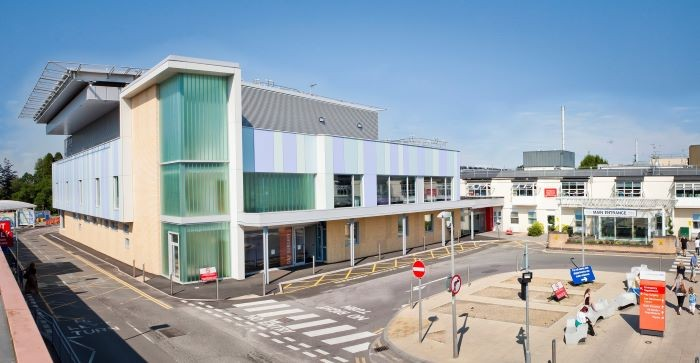
Frimley Hospital ‘Engagement’ Plan Raises Questions as Residents Urged to Respond Before 3rd April
Residents across Surrey Heath are being asked to provide feedback on plans for the new Frimley Park Hospital, but concerns are growing that the process being presented as “engagement” may fall short of a genuine public consultation.
Click to view the ‘draft’ engagement plan
The document, which sets out how the NHS intends to involve the public, outlines a structured programme of engagement activities running alongside the development of the new hospital. It speaks of transparency, collaboration and listening. But within its detail lies a key decision that has surprised many: the project will not go through a formal public consultation process.
Instead, the Trust has determined that the plans do not meet the threshold for what is defined as a “substantial variation” in services. That decision removes the requirement for a statutory consultation, something that would normally give residents a clearer framework to challenge, influence, and shape the outcome.
In its place is what the document calls a “programme of involvement.” While this allows for feedback, it does not carry the same weight. The process is not a vote, and there is no obligation for decision-makers to follow public opinion. Feedback will be considered alongside clinical, financial and strategic factors, but ultimately decisions can proceed regardless of the level of local opposition.
That distinction matters. For many residents, this is not a minor change but a major development with long-term consequences for the area. The absence of a formal consultation raises an obvious question: why is a project of this scale not being subjected to the highest level of public scrutiny?
There are further concerns around transparency. The document itself confirms that some content has been removed from the version shared with the public.
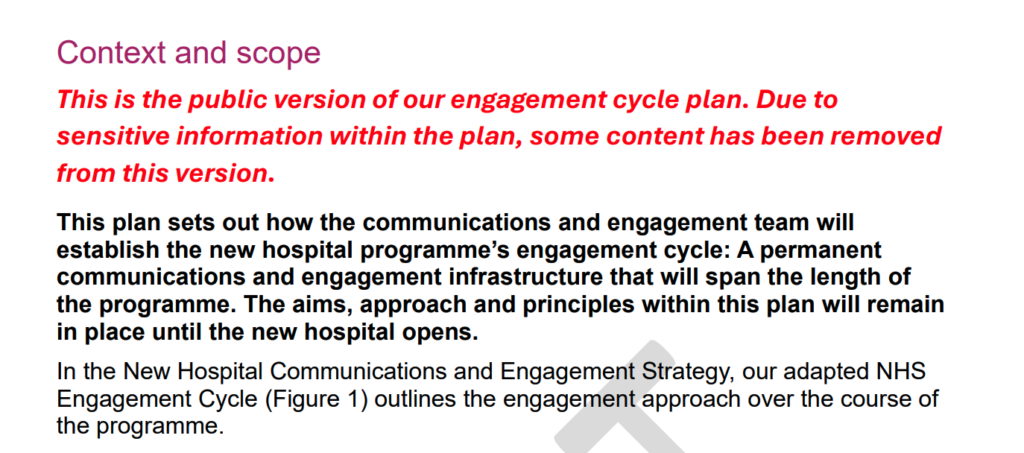
At the same time, it draws a clear boundary around what the engagement will cover, stating that wider planning issues such as traffic, infrastructure and environmental impact sit outside the scope of this process.
For communities already worried about congestion, road capacity and the loss of valued green space, that limitation is significant. It risks separating the hospital decision from the very real, day-to-day impacts residents will experience if certain sites are chosen.
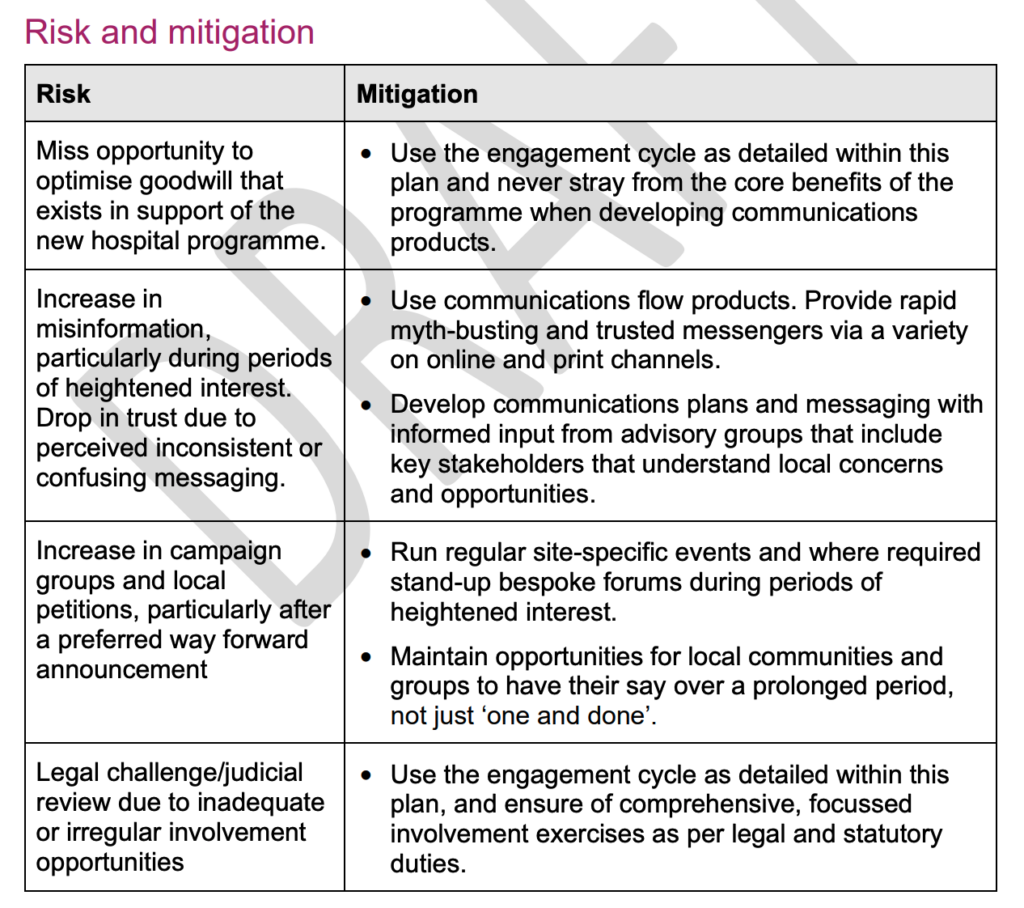
The plan also acknowledges the potential for growing opposition, including petitions and campaign groups, and sets out approaches to manage these risks. That language has only added to the perception that the process is as much about controlling the narrative as it is about genuinely listening.
None of this means the outcome is fixed. But it does mean that this stage right now is one of the few opportunities residents have to formally register their views before decisions move further forward.
And there is a clear deadline.
Residents are being urged to submit their feedback directly to the Trust by 3rd April. Those wishing to respond can do so by emailing:
Those who choose to engage are being encouraged to focus on the issues that matter most to them: whether this project should be subject to a full public consultation, whether enough information has been shared to allow informed feedback, and whether the wider impacts on infrastructure, environment and community assets are being properly considered.
Moments like this often pass quietly. Documents are published, feedback is requested, and only a small number of voices are heard.
But when participation increases, so does scrutiny—and with it, accountability.
For residents who care about what happens next, the message is simple: this is the moment to speak, not later when options have narrowed and decisions are harder to influence.


Leave a Reply