Can Local Opinion Be Formally Tested in Unparished Areas Like Frimley, Deepcut and Heatherside?
A recent planning case in Normandy, near Guildford, has highlighted a practical tool communities can use when major development proposals emerge: a formally conducted local residents’ survey.
In Normandy, a parish council–led survey carried out before a planning application was submitted found that more than 95 per cent of respondents opposed the proposed development. While not determinative in planning law, the survey now forms part of the public record and documents strong community sentiment before decisions were taken.
For residents in Frimley, Deepcut and Heatherside, the obvious question is whether a similar approach could be taken locally. The answer is more nuanced due to the unparished nature of these areas, but structured community input remains possible and worth pursuing.
The Key Difference: Unparished Areas
Unlike Normandy, Frimley, Heatherside and Deepcut do not have parish or town councils. This means there is no tier of local government closest to residents that routinely undertakes parish-wide surveys or community consultations.
Instead:
- Surrey Heath Borough Council is the local planning authority
- Surrey County Council manages strategic infrastructure such as roads, education and transport
- Residents are represented by elected borough councillors
The absence of a parish council does not prevent community opinion from being gathered or formally recorded. It does mean, however, that residents must work through borough-level democratic channels rather than parish mechanisms.
What Is Possible Right Now
1. The Change.org Petition Demonstrates Clear Community Engagement
Local residents have already taken a significant step through the petition established by the Heatherside Ward Residents Association calling for protection of the Frimley Fuel Allotments. The petition has attracted thousands of verified signatures.
What this achieves:
- Demonstrates widespread community engagement on a specific land-use issue
- Provides documented evidence of concern that can be shared with councillors and officers
- Can be referenced in written submissions, deputations and council debate
Where it falls short:
- It is not a statutory planning consultation
- It does not replace formal consultation obligations
- It does not carry the evidential weight of a structured survey commissioned or endorsed by a governing body
The petition is therefore a strong indicator of sentiment, but not the end of the process.
2. Residents Can Collect Structured, Ward-Level Evidence
Even without a parish council, residents can organise structured, transparent ward-level evidence of local opinion. This may include a clearly defined community survey, analysis of petition data, or coordinated written submissions. Such evidence carries greater weight when formally referenced or supported by elected borough councillors.
Frimley Ward
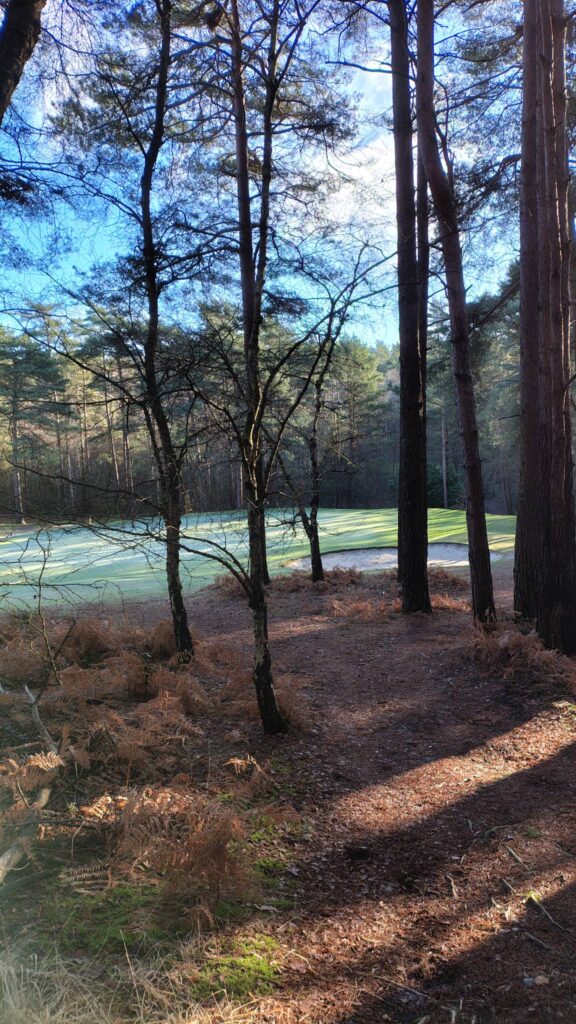
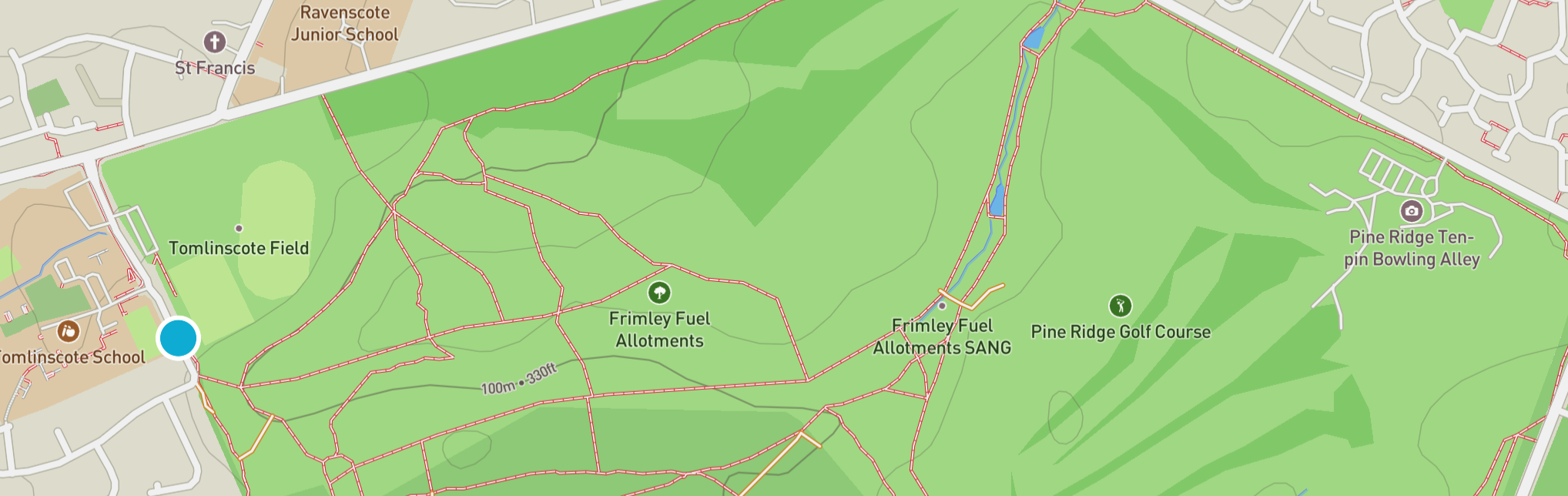
This ward includes residents closest to Frimley Fuel Allotments and Pine Ridge Golf Club.
- Councillor Alan Ashbery Deputy Leader of the Council Portfolio Holder for Built Environment & Regulation
- Councillor David O’Mahoney Chair of the Planning Applications Committee

Why this matters:
Both councillors hold senior roles directly tied to planning, regulation and governance. During council debate, Councillor Ashbery has questioned whether site options were transparently assessed or ruled out, reinforcing the importance of documented public evidence rather than assumptions.
Ward-level survey data cited or endorsed by these councillors would have direct relevance to planning scrutiny.
Heatherside Ward
Heatherside is among the areas most directly affected by access, traffic, environmental and amenity impacts.
- Councillor Louise Ashbery Mayor of Surrey Heath
- Councillor Bob Raikes Vice Chair, Audit, Standards & Risk Committee
- Councillor John Skipper Independent Councillor

Why this matters:
This ward has already demonstrated structured engagement through the Change.org petition. Councillors Raikes and Skipper have supported motions challenging process and transparency, ensuring community concern is formally recorded in council minutes.
This establishes a clear pathway for further ward-level evidence to be introduced into formal proceedings.
Mytchett & Deepcut Ward
This ward includes Deepcut and land directly bordering the Fuel Allotments.
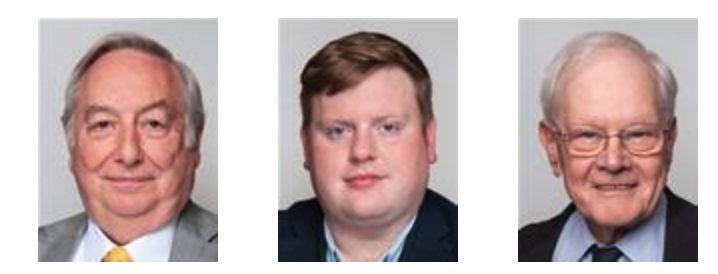
- Councillor Cliff Betton Deputy Mayor
- Councillor Morgan Rise Portfolio Holder for Environment & Recreation
- Councillor David Whitcroft Chair, Employment Committee
Why this matters:
The Environment & Recreation portfolio is directly relevant to woodland, green space and public land use. In a recorded council meeting, Councillor Rise set out detailed objections to Pine Ridge as a suitable site, citing traffic constraints, environmental loss and failure to meet stated criteria.
This demonstrates that councillors can and do rely on structured evidence when challenging development proposals.
Councillors Can Use Formal Channels to Raise Community Views
Recent Surrey Heath Borough Council meeting transcripts confirm that councillors have already used formal democratic mechanisms to raise resident concerns about site selection, consultation gaps and infrastructure impact.
In recent meetings, councillors including Morgan Rise, Shaun Macdonald, John Skipper, Bob Raikes and Alan Ashbery have:
- Asked formal questions about site suitability and transparency
- Challenged assumptions around urgency and inevitability
- Raised concerns about traffic, safety, environmental loss and cumulative pressure
- Ensured objections were formally minuted and entered into the public record
These interventions matter because council transcripts form part of the permanent democratic record. Once concerns are raised formally, they cannot be dismissed as informal or anecdotal.
The precedent is clear: borough councillors can and do act as conduits for structured community concern, even in unparished areas.
What This Means in Practice
Where residents provide clear, organised evidence such as petition data, ward-level surveys or written submissions, councillors are better equipped to:
- Submit formal questions or motions reflecting documented community views
- Reference resident evidence during council debate
- Request clarification or justification from planning officers
- Ensure local sentiment is formally recorded and publicly accessible
This shifts community concern from informal discussion into the decision-making framework councils are required to consider.
What Residents Can Do Now
Even without parish councils, residents in Frimley, Heatherside and Deepcut have clear, practical routes to ensure local views are formally recorded.
1. Use the Petition as Evidence
The Change.org petition started by the Heatherside Ward Residents Association, now supported by thousands, is documented proof of community concern. Residents can ask councillors to reference it in council meetings, planning consultations and written submissions.
2. Push for a Structured Ward-Level Survey
Residents can ask borough councillors to support a transparent, ward-level survey similar to the Normandy example. If results are formally cited by councillors such as Alan Ashbery, David O’Mahoney, Louise Ashbery, Bob Raikes, John Skipper or Morgan Rise, they gain weight within council debate.
3. Submit Planning Representations
Written objections or comments during consultation periods become part of the statutory planning record and must be considered by decision-makers.
4. Ask Councillors to Act Formally
Residents can request councillors raise questions, seek clarifications from officers, or submit motions so concerns are minuted and placed on the public record. Recent council transcripts show this already happens.
5. Focus on Evidence and Process
Requests for published site assessments, infrastructure impacts and consultation evidence are more effective than informal objections alone.



Leave a Reply