
Engagement or Optics? Frimley Residents Deserve Clarity
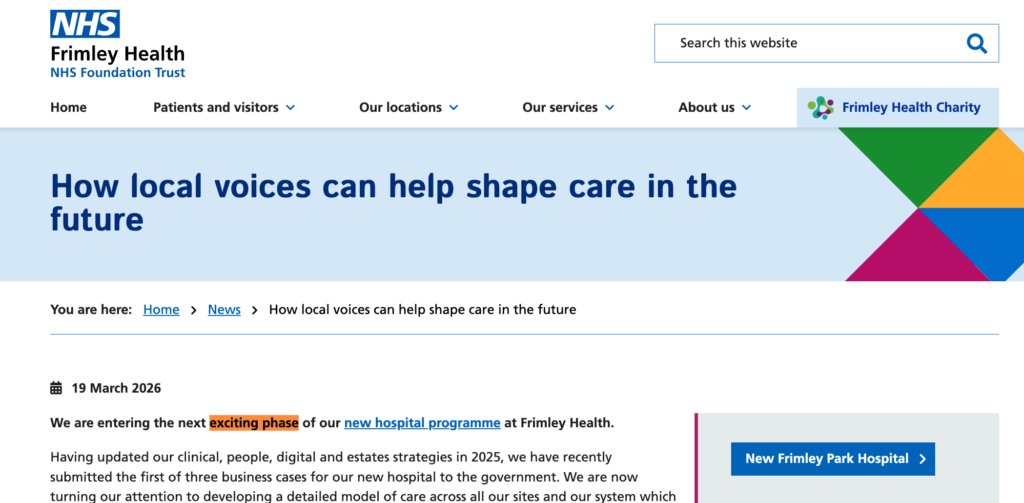
Frimley Health NHS Foundation Trust says it is entering an “exciting phase” in the journey toward a new hospital. It speaks of transformation, future models of care, and a renewed commitment to listening through its newly launched “Engagement Cycle.”
But for many local residents, the tone feels disconnected from reality.
Because while the Trust talks about listening, more than 8,000 people have already made their views clear. The strength of feeling around the proposed use of the Frimley Fuel Allotments is not emerging quietly through workshops or feedback forms. It is already visible, measurable, and impossible to ignore.
This is where the Trust’s messaging begins to feel uneasy.
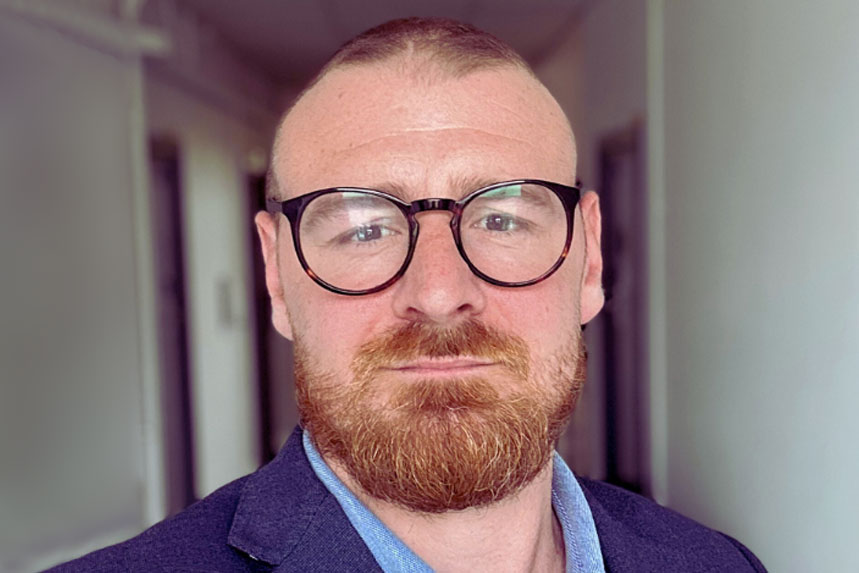
At the centre of this engagement effort is Kirk Ward, Director of Communications and Engagement. By his own background, he is a communications strategist and former journalist, now running a consultancy focused on helping organisations “navigate tricky communication challenges” and “deliver clear messaging.”
Kirk has responded since this article was published:
“I thank you for this piece – I genuinely do believe that good communications and engagement will deliver a better hospital and services for the communities we serve.
I would, however, like to point our that I am no longer working in consultancy. I am a full-time member of staff at Frimley Health.”
Never the less Kirk’s company website continues to operate:
There is no criticism in recognising that expertise. In fact, it explains a lot about the polished language now coming from the Trust.
But it also raises a fair question. Is this process being shaped to genuinely listen, or to carefully manage how decisions are received?
Because to a local resident, there is a difference between engagement and presentation.
Ward speaks of helping leaders “refine their voice” and “deliver lasting impact.” That may be valuable in many contexts. But when it comes to decisions that will permanently alter a local environment, people are less interested in refined messaging and more interested in whether their objections can actually change the outcome.
And right now, that remains unclear.
The Trust says it wants people to feel “valued, listened to and well informed.” Yet many in the community feel they are being invited into a process that is already well underway, perhaps even largely decided.
That is the risk here.
When engagement is led by communications strategy rather than rooted in visible decision-making shifts, it can begin to feel like consultation after the fact. Not deliberately misleading, but carefully controlled. Not dishonest, but not entirely open either.
None of this diminishes the importance of building a new hospital. Nor does it question the intentions of those working on it. But intentions are not what the community is judging. They are judging outcomes.
If 8,000 people oppose a specific site, what would it take for that to genuinely alter the course of events?
That is the question that no engagement framework, however well structured, has yet answered.
There is still time for Frimley Health to demonstrate that this process is more than a communications exercise. That engagement is not just about shaping how plans are explained, but whether those plans can change.
Because if this really is about listening, then the message from the community is already clear.



Leave a Reply